
Is Chewing Gum Plastic? What Is Your Gum Actually Made Of?
Chewing gum has long been a popular choice for freshening breath or satisfying a sweet craving, but have you ever considered what it's made of? Many people are unaware that modern chewing gum often contains synthetic plastics - the same materials used in everyday items like packaging and textiles. Explore the surprising ingredients in chewing gum, their environmental impact, and how you can make more sustainable choices.
Whether you chew it to freshen your breath, help you focus, or just satisfy a sweet craving, chewing gum is a staple in everyday life. But have you ever stopped to wonder: what is chewing gum made of?
If you take a close look at the ingredients list on a standard pack, you’ll find a mysterious term: "gum base."
Most people assume this base is a natural rubber or a plant-derived sap. In reality, the vast majority of modern chewing gum contains synthetic plastic - the exact same materials used to make everyday items like plastic bottles, glue, and car tyres.
The Big Question: Does Chewing Gum Contain Plastic?
The short answer is yes.
To understand why, we have to look at the history of how gum is manufactured. Historically, traditional chewing gum was made from chicle (a completely natural, biodegradable latex sap harvested from the sapodilla tree).
However, after World War II, as global demand surged, harvesting natural chicle became too slow and expensive. To keep production high and costs low, manufacturers switched to synthetic polymers.
Today, when you see "gum base" on a label, it is almost always a proprietary cocktail of:
Synthetic Elastomers:
Polymers like polyethylene (used in plastic bags) and polyisobutylene (used in inner tubes for tyres) to give the gum its bounce and chewiness.
Resins:
Often polyvinyl acetate (the main ingredient in wood glue) to hold the texture together.
Plasticisers and Fillers: Added to soften the plastic polymers so they are soft enough to chew at body temperature.
Because these formulas are classified as "trade secrets," brands are legally allowed to lump them all under the generic term "gum base" rather than listing the specific plastics you are chewing on.
Natural vs. Synthetic: What's In Your Gum?
If you are trying to cut down on synthetic materials in your daily life, it helps to know how traditional gum stacks up against the modern, mass-produced alternative.
Is Chewing Gum Biodegradable?
Because modern gum is fundamentally made of synthetic plastic, chewing gum is not biodegradable.
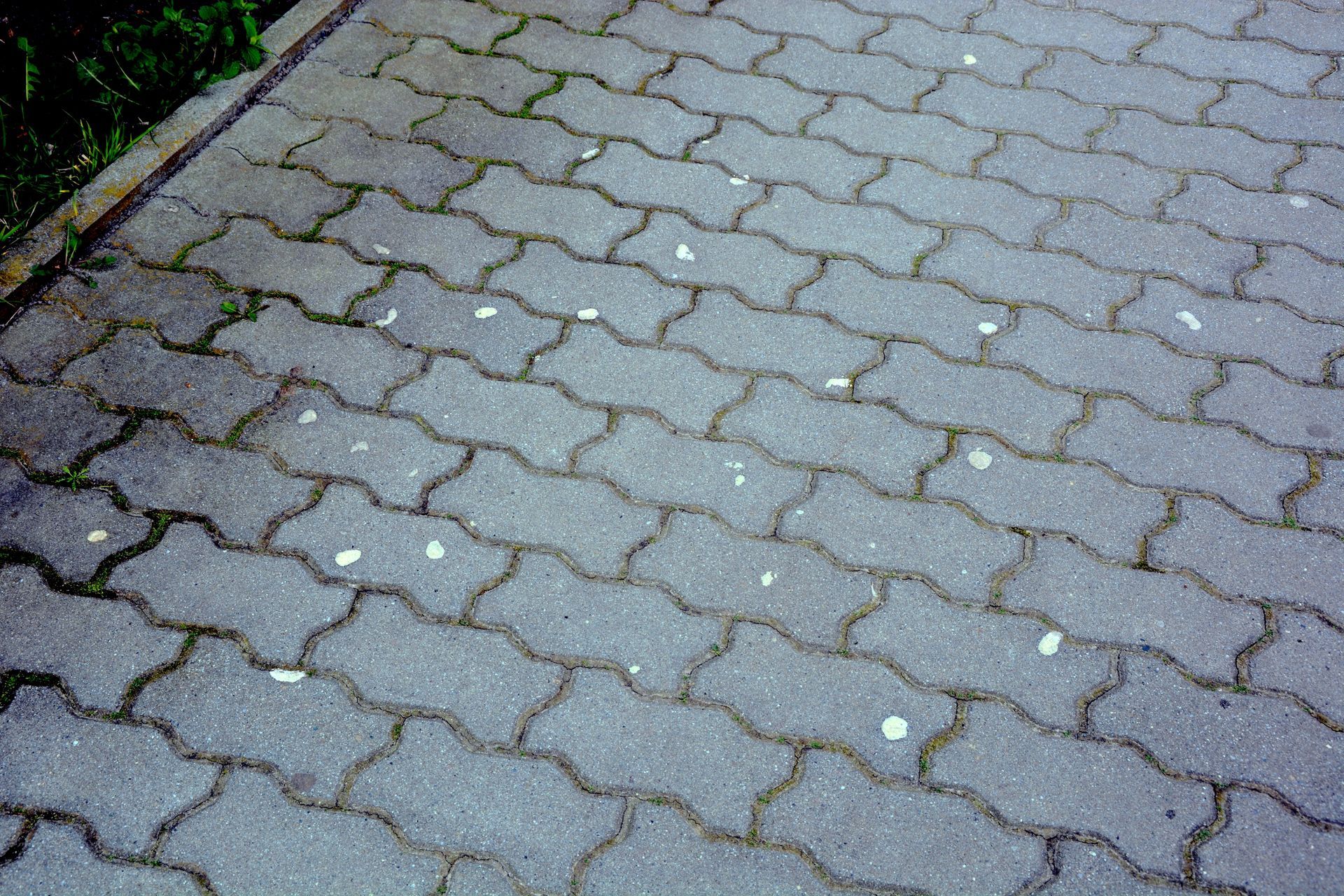
When dropped on a pavement, it does not dissolve, wash away, or rot. Instead, it behaves exactly like any other piece of discarded plastic: it breaks down incredibly slowly over decades, fracturing into tiny microplastics that find their way into our soil, waterways, and marine ecosystems.
This non-biodegradable nature makes chewing gum the second most common form of litter worldwide, trailing only behind cigarette butts (which, ironically, also contain plastic filters).
The Cost of Clean Streets: Councils and businesses spend millions of pounds every single year trying to lift hardened, blackened gum circles off our high streets with chewing gum removal machines. It requires specialised heat and pressure to melt the plastic binders without ruining the concrete underneath.
Health and Diet: Is Chewing Gum Vegan?
While the synthetic plastics themselves are technically vegan, many commercial chewing gums are still not vegan-friendly. Manufacturers frequently use animal-derived additives to enhance texture, colour, and shine:
Glycerin:
Can be derived from animal fats.
Gelatin:
Sourced from animal bones and connective tissues.
Stearic Acid:
Used to bind the ingredients, often sourced from animal fats.
Shellac / Confectioner's Glaze:
Harvested from female lac bugs to give the gum a shiny outer coating.
If you are looking for a vegan or cruelty-free option, make sure the packaging explicitly states "100% vegan" or look for brands that rely solely on plant-based ingredients.
How to Make More Sustainable Choices
If the thought of chewing on plastic polymers doesn't sit well with you, there are plenty of ways to make your chewing habit cleaner and greener:
1. Switch to plastic-free brands:
Step 1: The Buy. Seek out natural, biodegradable gum brands. These companies are reviving the traditional art of gum-making by using sustainably harvested chicle and other natural tree saps. They taste great, freshen your breath, and naturally dissolve within a few weeks of being discarded.
2.Read the ingredient list:
Step 2:
The Check. Look for explicit callouts like "no synthetic gum base" or "100% biodegradable." Avoid brands that refuse to disclose what is inside their gum base.
3.Wrap and bin it:Step 3: The Disposal.If you do chew standard synthetic gum, never spit it onto the street, under a table, or into nature. Wrap it in paper and place it directly into a waste bin to prevent it from entering the local ecosystem.
Cleaning Up Our Communities
At Eco Removal Systems, we see the real-world impact of synthetic chewing gum every day. Our professional steam-cleaning backpacks are engineered specifically to break down the tough, plastic-based polymers in discarded gum, lifting them safely from pavements without harming the environment.
By making small, conscious changes in the products we buy and how we dispose of them, we can protect our wildlife, keep our streets looking beautiful, and enjoy a cleaner, healthier planet.